



If you've ever wondered whether peppermint oil actually works for IBS or whether it's just another wellness trend, the clinical evidence is surprisingly strong. A randomized, double-blind, placebo-controlled trial published in Digestive Diseases and Sciences studied 90 IBS patients taking enteric-coated peppermint oil capsules for 8 weeks. By week 8, significantly more patients in the peppermint group were free from abdominal pain compared to placebo — and quality of life improved measurably.
The mechanism isn't mysterious: menthol, peppermint oil's active compound, blocks calcium channels in smooth muscle tissue, which relaxes the gut wall and reduces the spasms that cause cramping, bloating, and gas. More recent research has identified additional pathways — peppermint oil activates TRPM8 and TRPA1 receptors in the gut, which directly reduce visceral pain perception.
Why Enteric Coating Matters
Not all peppermint oil supplements are created equal. Standard peppermint oil capsules dissolve in the stomach, which can cause heartburn and reflux — and means less of the active compound reaches the intestines where it's needed. Enteric-coated capsules bypass the stomach and release in the small intestine.
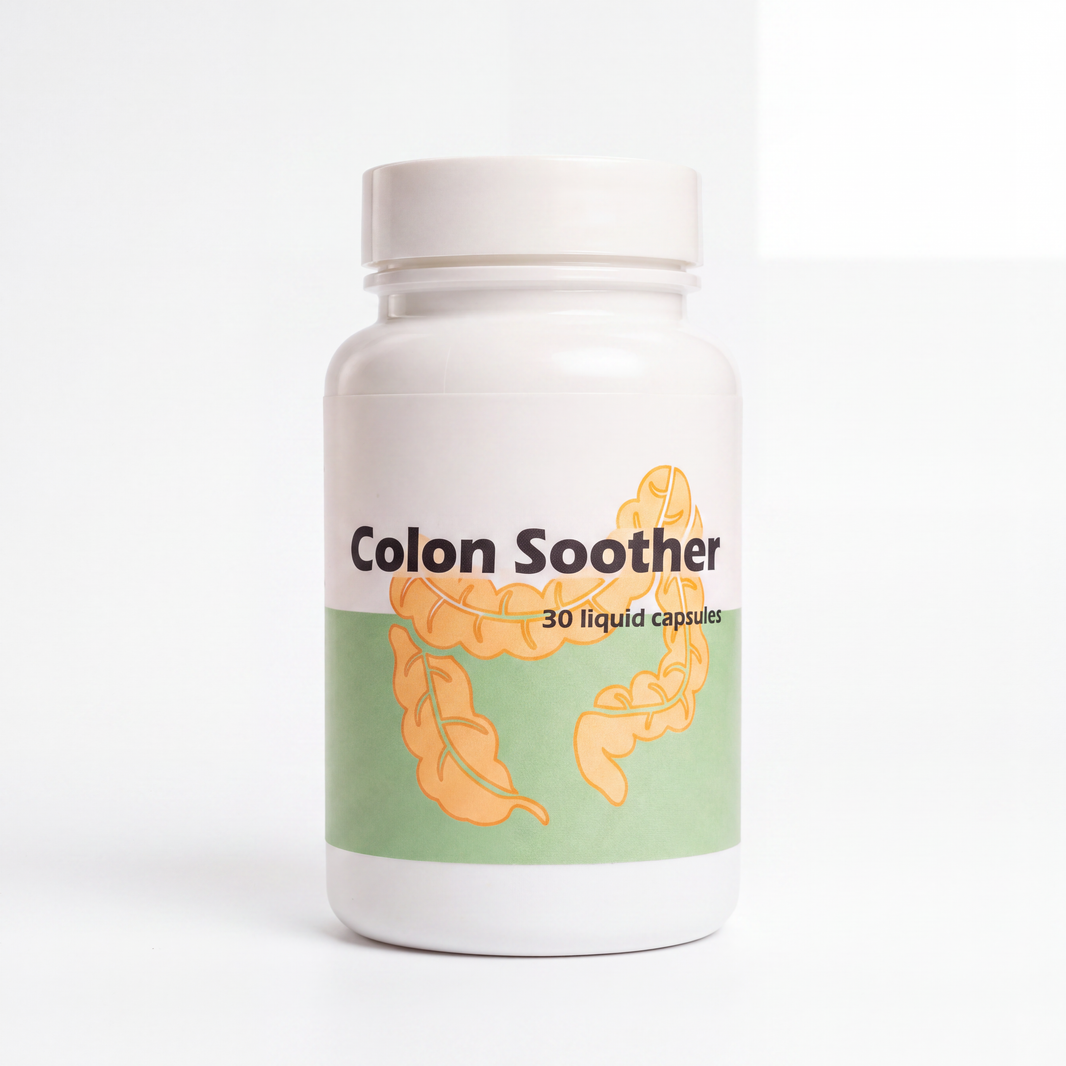
This is the delivery format used in the clinical trials, and it's the format used in Colon Soother — enteric-coated liquid capsules with peppermint oil, a food supplement available through DeHanso Jordan across Jordan.
What the Research Suggests About Dosing
Most clinical trials used 1–2 capsules taken three times daily, typically before meals. Colon Soother's label directions are 1 capsule after a heavy meal, up to twice daily. In the published studies, results were measured after 2–4 weeks or more of consistent use, and individual results vary.
When Peppermint Oil Isn't Enough
Peppermint oil addresses the muscular and sensory components of digestive discomfort — the cramps and the bloating. It doesn't address the microbial component (dysbiosis), the dietary triggers (FODMAPs, fiber imbalance), or the psychological component (stress, anxiety). A comprehensive IBS management plan, guided by a doctor, typically includes dietary adjustment, stress management, and sometimes probiotics.
If symptoms include unexplained weight loss, blood in stool, persistent fever, or pain that doesn't respond to anything — those are red flags that warrant a gastroenterologist visit, not a supplement.
FAQ
Is peppermint oil safe for long-term use?
The clinical trials ran for 8–24 weeks with no significant adverse effects reported. Enteric-coated formats minimize the main side effect risk (heartburn).
Can I take peppermint oil with other medications?
Check with your pharmacist — peppermint oil can interact with antacids and acid-reducing medications that may dissolve the enteric coating prematurely.
Does peppermint oil help with both IBS-C and IBS-D?
Research has studied it across IBS subtypes, primarily for its antispasmodic action. A doctor should diagnose and manage IBS.
Where can I get enteric-coated peppermint oil capsules in Jordan?
Colon Soother is available at dehanso.store with delivery across Amman, Zarqa, Irbid, and all of Jordan.
Related reading:
- أعراض القولون العصبي — دليل شامل (Arabic)
- MINDALL Brain Supplement — support for everyday stress
- Browse all supplements